
Compare material/method
Oversized vs Regular Fit T-Shirts
Compare shape, comfort, measurements, printing area and practical use before choosing T-shirts for merchandise, events, clubs or everyday wear.
Direct answer: Choose an oversized T-shirt when the project needs a looser, more relaxed silhouette and a wider visual print area. Choose a regular fit when the group wants a more familiar shape that is easier to size across mixed wearers. The better option depends on the intended style, garment measurements, fabric weight, artwork size and how the shirts will be used.
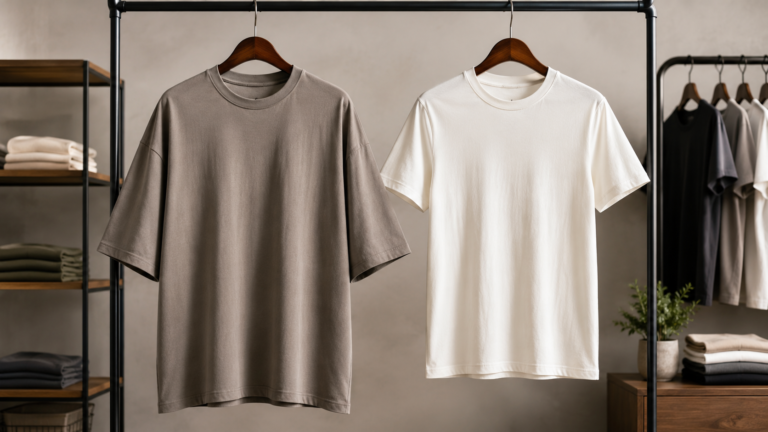
The Basic Difference
Understand the Fit Difference
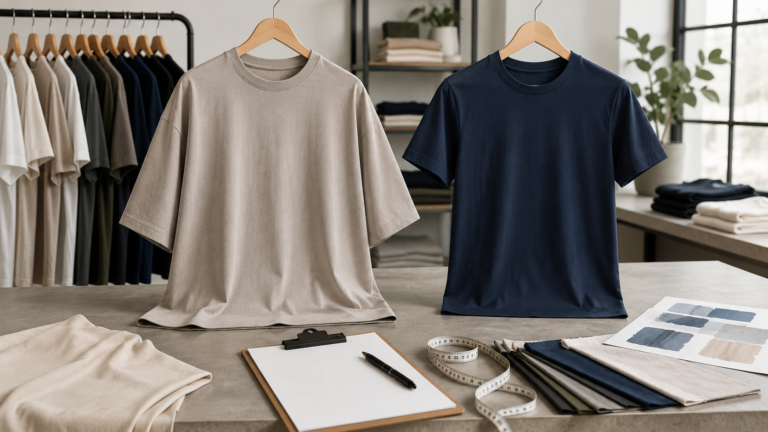
Oversized Fit
Designed with a roomier body and a more relaxed silhouette. Depending on the model, it may also use dropped shoulders, wider sleeves or extra garment length.
- Relaxed streetwear appearance
- More room through the body
- Wider visual surface for artwork
- Needs model-specific size checking
Regular Fit
Follows a more familiar T-shirt shape with standard body and sleeve proportions. It is often easier for group buyers to understand.
- Familiar everyday silhouette
- Easier for mixed group sizing
- Suitable for many event uses
- Available across many product models
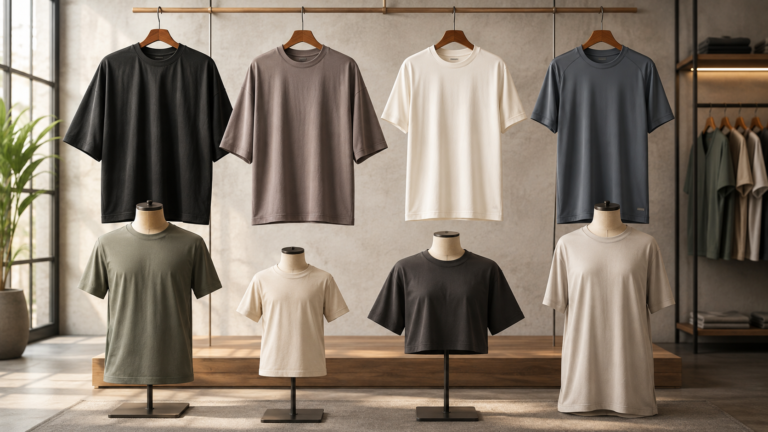
Fit Comparison
Compare Shape, Measurements and Comfort
| Comparison Point | Oversized Fit | Regular Fit |
|---|---|---|
| Body width | Usually wider through the chest and body | Closer to standard garment proportions |
| Shoulder shape | May use dropped or extended shoulders | Usually follows a conventional shoulder position |
| Sleeve appearance | Often wider or longer depending on the model | Usually more standard and familiar |
| Overall style | Relaxed, fashion-led and casual | Classic, versatile and group-friendly |
| Size selection | Must be checked from the exact size chart | Still requires model-specific measurements |
Chest Width
Compare garment width with a shirt that already fits the wearer well. Do not select only from the size label.
Garment Length
An oversized shirt may be wider without being much longer, or it may include extra length depending on the product design.
Shoulder Position
The shoulder seam changes the visual fit significantly, so compare the actual model instead of guessing.
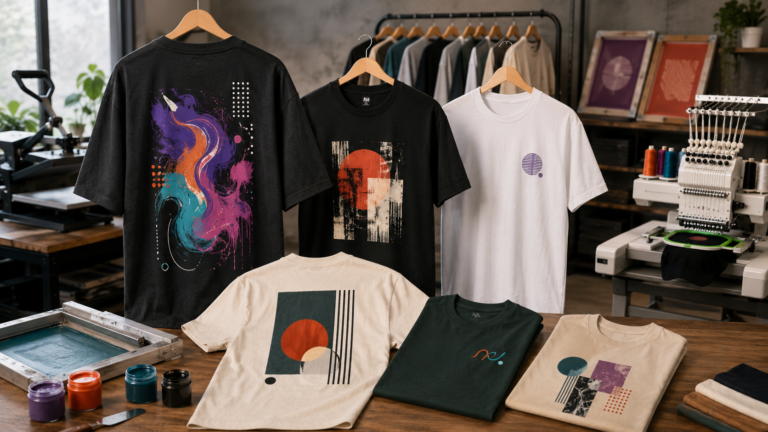
Use Scenarios
Match the Fit to the Project
The best fit depends on the image the group wants to create. Oversized shirts work well for fashion-led projects, while regular fit shirts remain practical for many organised events.
Merchandise
Oversized shirts can support a contemporary streetwear look, especially when the artwork is part of the product identity.
Event T-Shirts
Regular fit is often easier for large groups because the shape is more familiar and size collection is simpler.
Clubs and Societies
Choose according to whether the group wants a casual fashion identity or a standard shirt for repeated activities.
Family Gatherings
Regular fit may be easier across adults and children, while oversized cuts suit groups intentionally choosing a relaxed style.
Promotional Campaigns
Regular fit is usually practical when the shirt supports a campaign rather than acting as a fashion product.
Lifestyle Collections
Oversized silhouettes can create stronger visual character when colour, fabric weight and artwork are planned together.
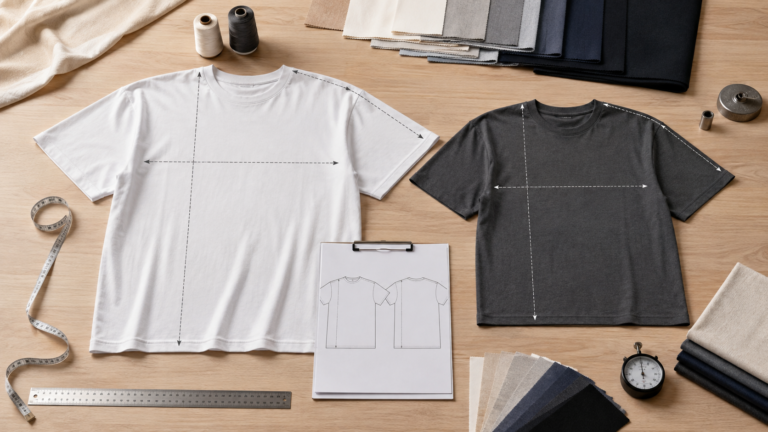
Artwork Planning
Plan the Artwork for Each Fit
The same print size can look very different on a wide oversized shirt and a standard regular-fit shirt. Review artwork scale, placement and the smallest garment size before production.
Oversized T-Shirt Artwork
- Can support larger visual artwork
- Works well with wide chest graphics
- Needs balance across the roomier body
- Should not sit too close to dropped seams
- Back prints can become a major design feature
Regular Fit Artwork
- Works well with standard chest placements
- Suitable for logos, event graphics and slogans
- Needs checking across the smallest size
- Can use left chest, centre front or back layouts
- Usually easier to standardise for groups
| Artwork Goal | Fit to Consider | Planning Note |
|---|---|---|
| Large fashion graphic | Oversized | Review scale against the wider garment body |
| Simple event logo | Regular fit | Keep placement consistent across all sizes |
| Small left-chest branding | Either fit | Check distance from collar and shoulder seam |
| Large back artwork | Either fit | Adjust dimensions for the exact garment measurements |
- Do not use one print size blindly across every shirt size.
- Do not place artwork too close to dropped shoulder seams.
- Do not assume wider always means longer.
- Check the smallest and largest sizes before approval.
Before Ordering
Use a Size and Ordering Checklist
- Select the exact product model. Compare the oversized and regular-fit models instead of using general fit labels alone.
- Review the size chart. Check chest width, length, shoulder and sleeve measurements.
- Compare with an existing shirt. Measure a shirt that already fits well rather than guessing from body weight or usual size.
- Confirm fabric weight and feel. The same silhouette can feel different in lightweight and heavyweight fabrics.
- Approve the artwork placement. Review the print on the actual garment proportions.
- Finalise colours, sizes and delivery. Recheck current stock and provide the Johor delivery area.
Choose Oversized When
- The silhouette is part of the brand identity
- A relaxed streetwear look is preferred
- Large artwork is central to the design
- Wearers understand the intended loose fit
Choose Regular Fit When
- The group wants a familiar shape
- Sizing needs to stay simple
- The project is an event or campaign
- Mixed wearers need a versatile option
Fit Comparison FAQ
Questions About Oversized and Regular Fit
Is oversized fit just a bigger regular shirt?
Not necessarily. A true oversized model may use different proportions, including a wider body, dropped shoulders and wider sleeves.
Should I size down in an oversized T-shirt?
Check the exact garment measurements first. Sizing down may change the intended silhouette, so compare chest, length and shoulder measurements before deciding.
Which fit is better for merchandise?
Oversized fit can support a stronger streetwear identity, while regular fit may appeal to a wider group of buyers. The product concept should guide the decision.
Which fit is easier for large events?
Regular fit is often easier because the shape is familiar and size collection is more straightforward across mixed groups.
Can both fits use DTF or silkscreen printing?
Both can support common printing methods, depending on the fabric, artwork, quantity and print size. The placement should be adjusted for the garment proportions.
Can Uniform Johor compare both fits?
Yes. Share the intended use, quantity, size range, fabric preference, artwork and delivery area so suitable product models can be compared.
Compare Before Ordering
Which T-Shirt Fit Suits Your Project?
Send your quantity, preferred fit, size range, artwork, shirt colour and Johor delivery area. Uniform Johor can help compare oversized and regular-fit T-shirt options.
Related Uniform Johor Guides
Regional Network
Our Other Company Websites
Explore related uniform, apparel and printing websites within the same company or regional business network.
JC Print Malaysia
Main company website for uniforms and printing services.
Visit website →SelangorPrint
Uniform and custom printing support for Selangor buyers.
Visit website →Uniform Penang
Uniform and apparel resources for Penang customers.
Visit website →Uniform Sabah
Uniform and custom apparel resources for Sabah buyers.
Visit website →Uniform Singapore
Uniform and apparel printing information for Singapore.
Visit website →Uniform Hub Singapore
Additional uniform resources for Singapore organisations.
Visit website →Tanah Studio
Apparel and creative services for the Australian market.
Visit website →KitaPrint
Printing support for agents and resellers.
Visit website →Disclosure: These are related company or regional network websites and are not presented as independent recommendations.