
Iskandar Puteri Roadshow Banners: Space Planning Before Printing
This guide focuses on a promotional team fitting displays into changing retail and event spaces in Iskandar Puteri. It explains how a buyer can compare materials, fit, legibility and proofing before production. The location affects the buyer scenario, not the supplier’s physical office location. These are practical planning checks, not claims about a supplier's stock, prices or guaranteed delivery.
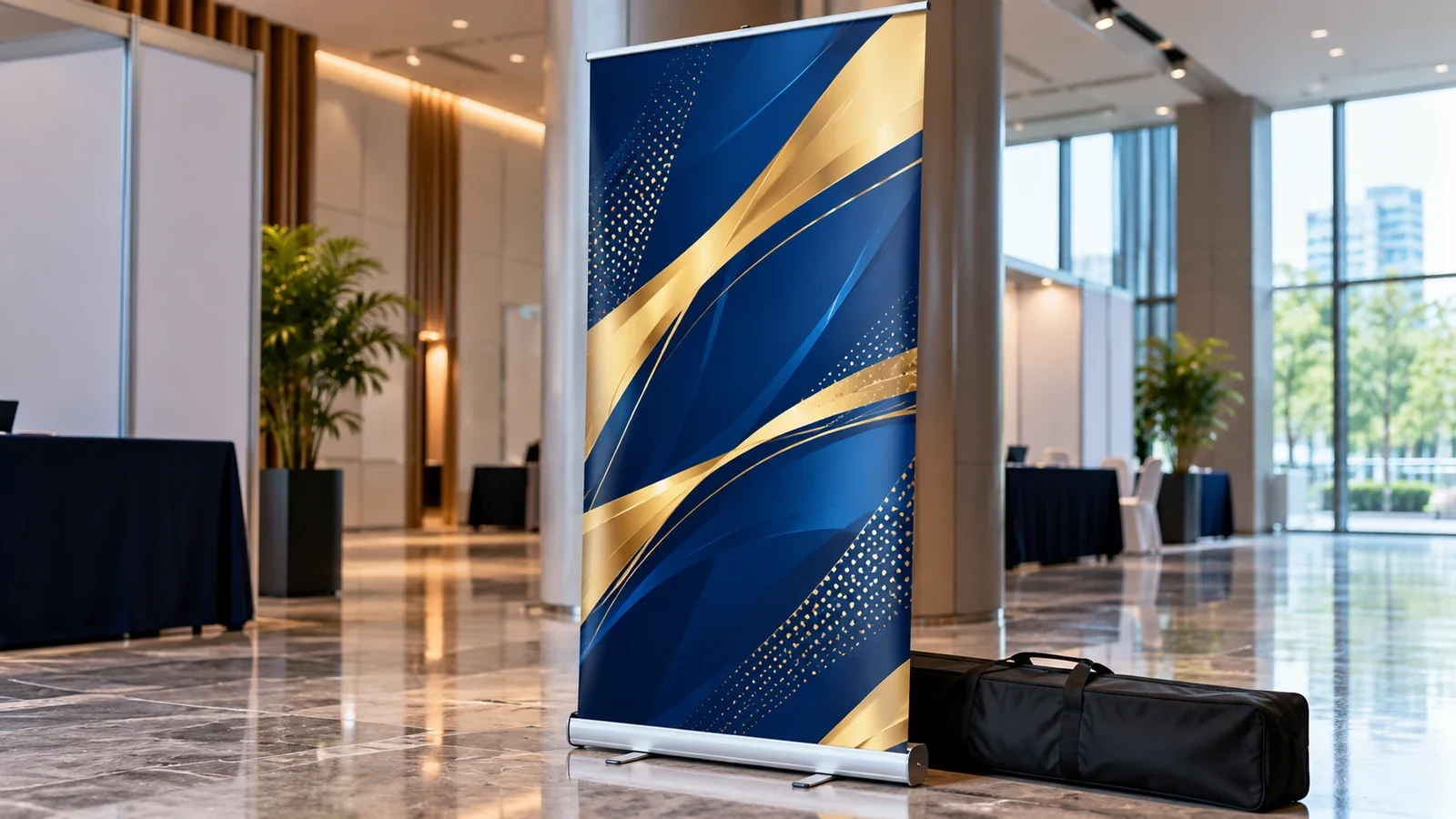
Design for the real viewing distance
The first comparison should answer how prioritising one message and a readable call to action on each display works for a promotional team fitting displays into changing retail and event spaces in Iskandar Puteri. Practical handling and repeated use usually matter more than a single product photograph. Use an actual garment, board or sample to expose relevant trade-offs before final artwork is prepared. Attendees should understand the offer before reading secondary contact details.
If the buyer overlooks packing too many contact details into lettering seen only in passing, a small design detail may become a recurring operational problem. Inspect the proposed item at the intended scale, identify which part is affected, and test a correction on that part only.
Request written confirmation of printing a scale proof and checking it from a realistic audience position. The purpose is not extra paperwork: it gives the packing team, printer and customer the same agreed target. A later adjustment should be attached to the same specification with a new revision.
Match format to venue and installation
For this order, the key question is whether measuring the usable footprint, ceiling clearance and stand position has been considered in a promotional team fitting displays into changing retail and event spaces in Iskandar Puteri. Discuss the physical setting with the supplier and identify the stage when a sample will be available. Making that decision early reduces late changes that affect several production steps. Walkways and registration furniture can obstruct banner positions.
A trial should deliberately look for choosing a generic banner size without checking walls, doors or obstructions. Do not use only the best-lit angle or a stretched digital image when making the judgement. Simulate the movement, lighting or handling conditions that are most likely to reveal the weakness.
The final instruction should specify confirming the venue plan and stand hardware before final artwork. It must be understandable by someone who was not in the original call. Attach photographs and measured notes so the next production or purchasing team has the same reference.
Respect finishing and safe zones
Use leaving space for eyelets, hems, pole pockets and clamp hardware to define what a successful result means for a promotional team fitting displays into changing retail and event spaces in Iskandar Puteri. Ask which performance issue the recipient will notice first, then examine the product sample with that issue in mind. This avoids purchasing options that add visual complexity but little practical value. Eyelets or stand feet can conceal edge artwork.
The failure to test allowing a sponsor logo to sit across a folded edge or attachment point can create surprise after delivery. Evaluate that risk while a change is still small and affordable. If two sample options differ, record why the selected one is more useful rather than assuming a higher price guarantees it.
Make sure the approved file records marking a non-print critical safe zone on the artwork template. That information should accompany quantity, size or artwork lists at handover. It closes the gap between what a designer intended and what an operator is told to produce.
Think about reflections and lighting
A purchasing brief for a promotional team fitting displays into changing retail and event spaces in Iskandar Puteri should begin by testing matte or gloss appearances in the intended lighting direction. Write down who will use the item and which constraint cannot be compromised. That gives the buyer a way to judge a real sample instead of comparing adjectives in product catalogues. Shopfront reflections differ from showroom proof conditions.
Before settling on a method, ask whether judging colour and legibility only on a backlit computer screen is likely. The useful evidence is what happens during the specified task, not a perfect rendering. Put two possible materials or constructions beside each other and record the practical difference.
A clear record should show reviewing a sample under strong lights and at an angle. Link this to the exact file and sample being priced. If the requirement changes, update that one record rather than allowing the sales discussion and artwork proof to drift apart.
Plan repeat use and transport
Look at the day-to-day routine in a promotional team fitting displays into changing retail and event spaces in Iskandar Puteri. The important consideration is choosing packing methods that prevent creases, scratched print and lost hardware; it changes the best balance between appearance and handling. The designer can only make a workable recommendation after the user explains where and how the item is used. Trolleys and transport sleeves protect reusable signs.
An attractive mock-up can conceal folding rigid or tensioned display parts without a protective sleeve. Check the cause rather than treating every issue as a printing defect. Sometimes the solution is a different size, an altered placement or a suitable base material, not a more expensive decoration.
Include maintaining an equipment checklist for setup and repacking in the buyer sign-off. Keep a dated reference that identifies the chosen dimensions and any limitation accepted in the sample. Production can then reproduce the decision without asking the approver to start again.
A pre-production checklist for this order
For a promotional team fitting displays into changing retail and event spaces in Iskandar Puteri, send a consistent specification rather than a product photograph alone. The checklist covers enough information for a meaningful quotation and a clear approval.
- Use and audience: State who handles or wears the item and what matters most during normal use.
- Material and fit: Record the approved product, construction, measurements or sample reference.
- Artwork: Supply a source file, measured placement and a single revision number.
- Proofing: Confirm the physical or print-size sample and who has authority to approve it.
- Handover: Verify the packing list, receiving details and conditions for repeat orders.
Frequently asked questions
What is the first thing to check when ordering Iskandar Puteri roadshow banners?
Begin with the actual use case: prioritising one message and a readable call to action on each display. State the wearer or audience, handling conditions and the quantity before selecting finishes. A buyer who starts from these constraints can compare quotes without accidentally comparing different specifications.
Why is a digital mock-up not enough for Iskandar Puteri roadshow banners?
A screen can show proportions, but it cannot demonstrate real fabric movement, glare, adhesion, sewing distortion or how a product is packed. In particular, check for choosing a generic banner size without checking walls, doors or obstructions. Review a physical or full-size proof whenever the decision carries financial or operational risk.
How should a buyer approve the final event and exhibition display specification?
Use one current artwork revision and record the measurable conditions, including reviewing a sample under strong lights and at an angle. The person signing off should know which sample or proof is authoritative and whether any outstanding changes affect pricing, method or quantity.
What should be retained for the next order?
Keep the accepted artwork, material and size information, plus photographs, maintaining an equipment checklist for setup and repacking. Label these files by project and revision so a new team member can order matching stock without assuming that a similar-looking substitute will behave the same.
If the next step is a quotation, prepare the sizes, artwork, quantity, receiving location and intended use before contacting the supplier. You can review UniformJohor.com ordering information and ask for an order-specific assessment; no general article can confirm stock or a delivery deadline.