
Microfiber Apparel
Do Quick-Dry Shirts Shrink?
Quick-dry shirts are usually made from polyester or polyester-rich performance fabrics, which normally shrink less than cotton.
Direct answer: quick-dry shirts can change size or shape, but 100% polyester styles generally show much less true shrinkage than cotton T-shirts. The bigger risk is excessive heat: very hot washing, tumble drying or ironing can distort polyester, weaken stretch fibres and affect printed decoration. If the quick-dry shirt is a cotton-polyester blend, its cotton content may shrink more noticeably. Follow the care label and avoid unnecessary high heat.
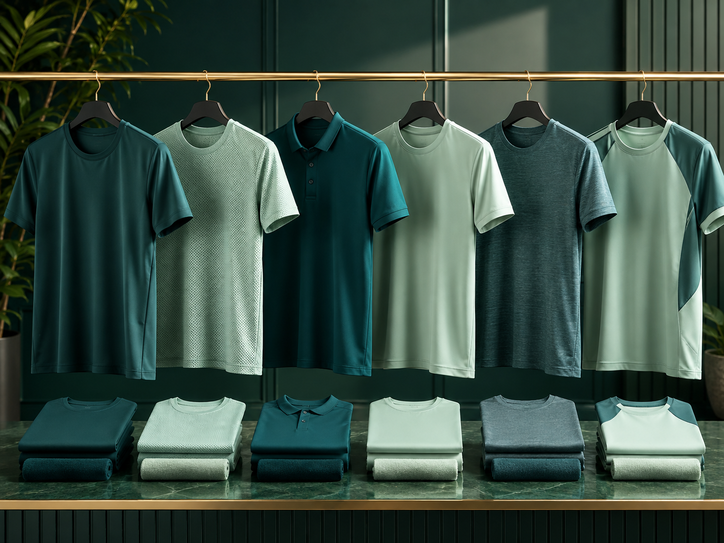
Quick Comparison
Which Shirts Are More Likely to Shrink?
| Shirt Type | Shrinkage Risk | Main Concern |
|---|---|---|
| 100% polyester quick-dry | Usually low | Heat distortion rather than major fibre shrinkage |
| Cotton T-shirt | Higher | Natural fibres can contract after heat and moisture |
| Cotton-poly blend | Moderate | Cotton portion can still shrink |
| Polyester with spandex | Low shrinkage, but heat-sensitive | High heat can damage stretch and shape recovery |
| Printed quick-dry shirt | Base fabric usually stable | Excessive heat can affect the decoration |
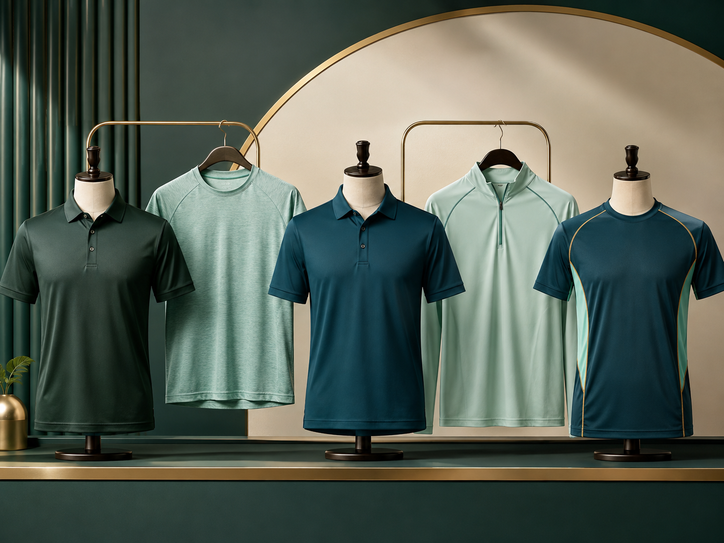
Fabric and Shirt Type
Not Every Quick-Dry Shirt Is Made the Same Way
100% Polyester Tees
These are usually the most resistant to normal laundry shrinkage, but they still need heat control.
Cotton-Poly Quick-Dry Blends
They can shrink more than pure polyester because the cotton component reacts more to heat and moisture.
Polyester-Spandex Sportswear
These may not shrink much, but high temperatures can weaken the stretch fibres and alter fit.
Quick-Dry Polo Shirts
Collar ribs, plackets and body fabric may use different materials, so the whole garment care label matters.
Sublimation Jerseys
Polyester jerseys are usually stable, but excessive heat can still distort panels or stretch trims.
Long-Sleeve Performance Shirts
Sleeve cuffs and added panels can react differently from the main body if multiple materials are used.
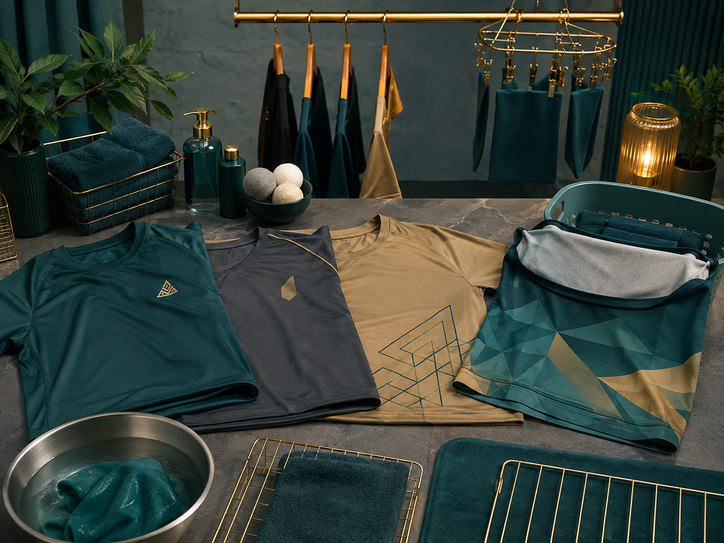
Printing and Branding
Heat Can Affect the Print Before the Shirt Shrinks
| Branding Method | Heat Concern | Better Care |
|---|---|---|
| DTF Printing | Repeated high heat can stress the transfer layer | Wash inside out and avoid unnecessary high dryer heat |
| Silkscreen Printing | Harsh heat can speed up cracking or fading | Use a suitable moderate wash and drying routine |
| Sublimation | No surface film, but polyester panels can distort with heat | Follow the jersey care label |
| Embroidery | Base fabric may distort around dense stitched areas | Use moderate heat and avoid over-drying |
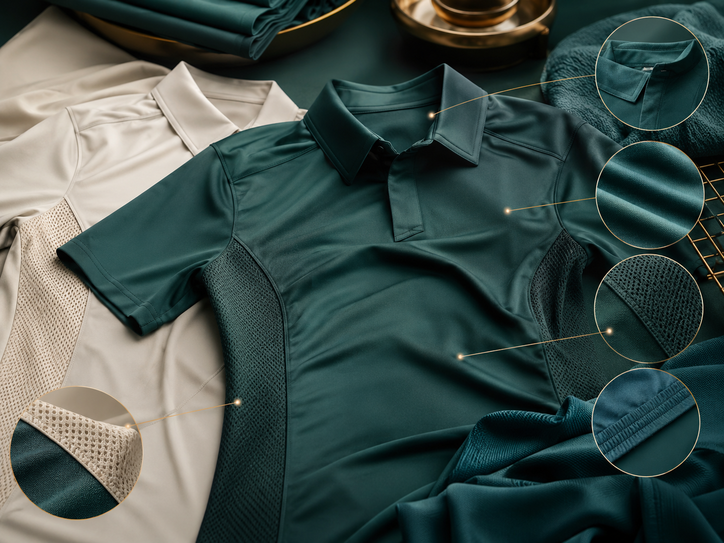
Material and Care
What Makes a Quick-Dry Shirt Change Size or Shape?
Very Hot Washing
Excessive heat can distort synthetic fibres and garment structure.
High Dryer Temperature
Tumble-dryer heat is often a bigger risk to quick-dry garments than normal cool or warm washing.
Cotton Content
The more cotton a blend contains, the more likely noticeable shrinkage becomes.
Elastane or Spandex
Stretch fibres can lose recovery when repeatedly exposed to high heat.
Garment Construction
Collars, cuffs, side panels and ribbing can respond differently from the main shirt body.
Decoration
Heat can damage DTF or silkscreen prints even if the shirt itself stays close to its original size.
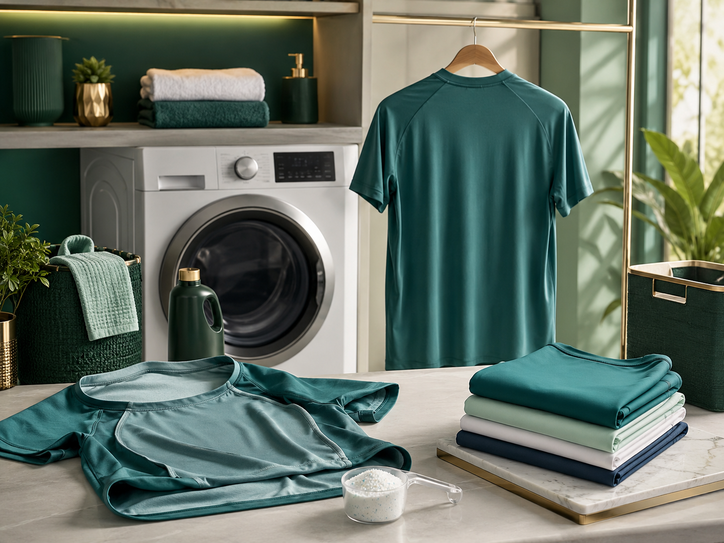
Washing Process
How to Reduce Shrinkage and Heat Damage
- Check the care label. Confirm the wash temperature and whether tumble drying is allowed.
- Turn printed shirts inside out. This helps reduce direct friction on the decoration.
- Use cool or moderate water. Avoid hot washing unless the garment label specifically allows it.
- Use a suitable cycle. Performance shirts normally do not need aggressive agitation.
- Control dryer heat. Use low heat or air-dry when appropriate for the garment.
- Avoid direct high-temperature ironing. Be especially careful around synthetic fabric and printed areas.
Team Sports Shirts
Frequent washing makes low-heat care important for preserving fit and stretch.
Daily Quick-Dry Uniforms
Repeated high-temperature drying can cause more problems than a normal cool wash.
Printed Event Shirts
Protect both the polyester fabric and the print by avoiding unnecessary heat.
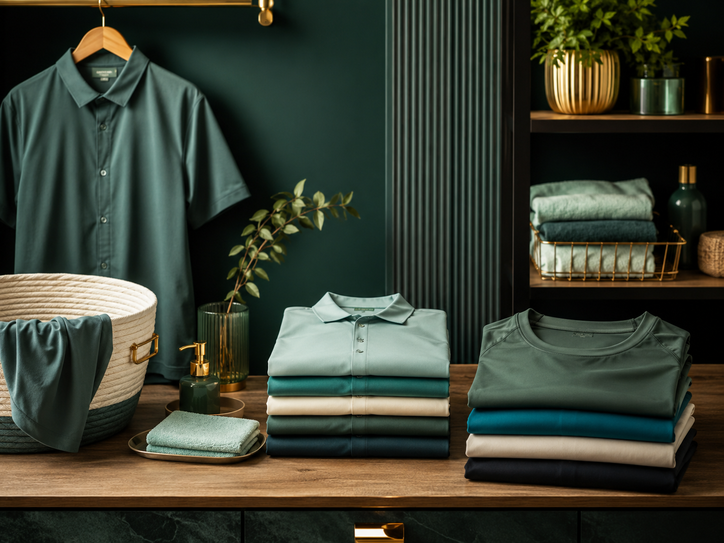
Laundry Checklist
How to Keep Quick-Dry Shirts in Shape
- Check whether the shirt is 100% polyester or a blend
- Read the garment care label
- Avoid unnecessary hot washing
- Use lower dryer heat when tumble drying is allowed
- Air-dry when practical
- Protect stretch fabrics from excessive heat
- Turn printed shirts inside out
- Avoid direct high-temperature ironing over prints
Do 100% polyester quick-dry shirts shrink?
Usually very little under normal care. Excessive heat is more likely to cause distortion or damage than major shrinkage.
Can a dryer shrink a quick-dry shirt?
High dryer heat can make synthetic garments change shape, especially when stretch fibres or mixed materials are present.
Do cotton-poly quick-dry shirts shrink?
They can shrink more than pure polyester because the cotton portion can contract after heat and moisture exposure.
Should quick-dry shirts be washed in cold water?
Cool or moderate washing is usually suitable for routine care, but always follow the garment label.
Can quick-dry shirts be ironed?
Only according to the care label. Polyester and printed areas can be damaged by excessive iron temperature.
Why does my quick-dry shirt feel tighter after washing?
Possible causes include heat distortion, shrinkage in blended fibres, damaged stretch material or changes in garment shape.
Choose the Right Performance Shirt
Need Quick-Dry Shirts for Work or Sports?
Send the intended use, fabric preference, shirt style, branding method and wash frequency. Uniform Johor can help compare quick-dry options for teams, staff and events.
Related Uniform Johor Articles
Regional Network
Our Other Company Websites
JC Print Malaysia
Main company website for uniforms and printing services.
Visit website →SelangorPrint
Uniform and custom printing support for Selangor buyers.
Visit website →Uniform Penang
Uniform and apparel resources for Penang customers.
Visit website →Uniform Sabah
Uniform and custom apparel resources for Sabah buyers.
Visit website →Uniform Singapore
Uniform and apparel printing information for Singapore.
Visit website →Uniform Hub Singapore
Additional uniform resources for Singapore organisations.
Visit website →Tanah Studio
Apparel and creative services for the Australian market.
Visit website →KitaPrint
Printing support for agents and resellers.
Visit website →