
Uniform Brand Johor
Why Do Clothes Smell After Washing?
Clothes can smell musty or sweaty after washing when odour-causing residue is not fully removed or the garment stays damp for too long.
Direct answer: common causes include leaving wet clothes in the washer, overloading the machine, using too much or too little detergent, not rinsing properly, washing heavily soiled sportswear on an unsuitable cycle, a dirty washing machine, and storing clothes before they are fully dry. Synthetic sports shirts can also hold onto body oils and odour more stubbornly than some other fabrics. A cleaner wash routine and complete drying usually make the biggest difference.
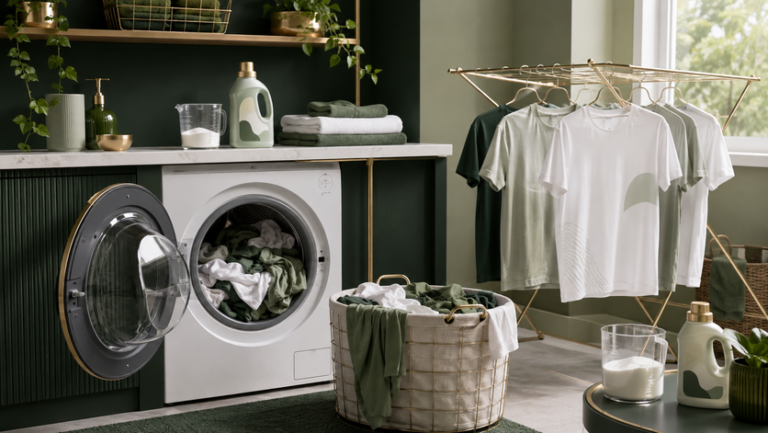
Quick Comparison
Common Reasons Clothes Still Smell After Washing
| Cause | Why Odour Can Remain | Better Habit |
|---|---|---|
| Leaving wet clothes in the washer | Damp fabric sits without airflow | Remove clothes soon after the cycle ends |
| Overloading the machine | Water and detergent cannot move through the load as well | Give shirts enough room to move |
| Too much detergent | Residue can remain in fabric and trap odour-causing soil | Use the recommended amount |
| Too little detergent | Sweat, oils and dirt may not be fully removed | Match detergent dose to soil level and load size |
| Dirty washing machine | Residue in the drum, seals or detergent drawer can transfer odour | Clean the washer according to its maintenance instructions |
| Incomplete drying | Damp storage can create a musty smell | Dry completely before folding or storing |
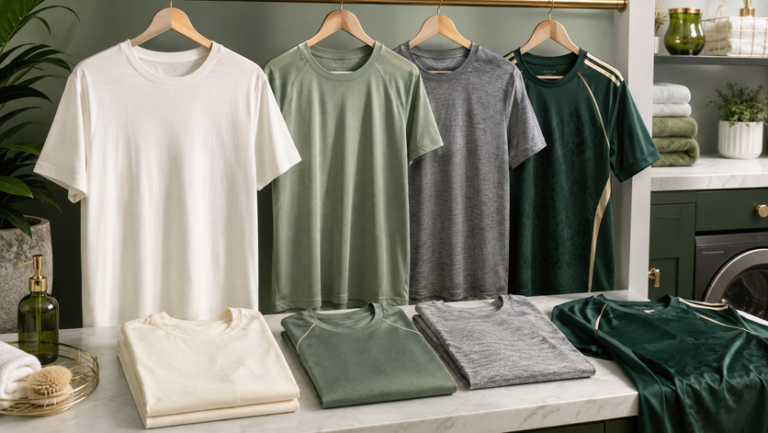
Fabric and Shirt Type
Some Fabrics Hold Odour More Easily Than Others
Cotton T-Shirts
Cotton absorbs moisture easily, so it should be dried fully after washing and sweaty use.
Quick-Dry Shirts
Polyester dries quickly, but body oils and sports odour can cling to the fibres if washing is not thorough.
Cotton-Poly Blends
Blends can combine the moisture behaviour of cotton with the oil affinity of polyester.
Stretch Sports Shirts
Sweat-heavy activewear benefits from prompt washing and complete drying.
Daily Work Shirts
Frequent wear can build up collar, underarm and body-oil residue if stains are not treated early.
Heavyweight T-Shirts
Thicker fabrics can take longer to dry, so check that the inside and seams are fully dry before storage.
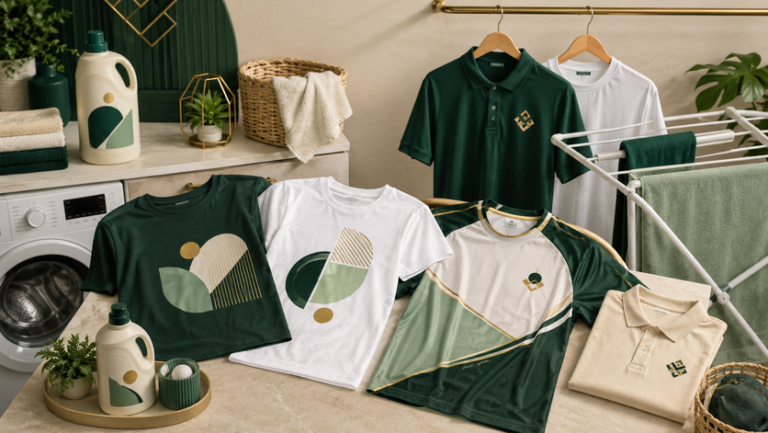
Printing and Branding
Remove Odour Without Damaging the Decoration
| Branding Method | Odour-Care Concern | Better Approach |
|---|---|---|
| DTF Printing | Harsh heat and aggressive scrubbing can stress the transfer | Wash inside out and follow the garment care label |
| Silkscreen Printing | Repeated harsh treatment can fade or crack ink | Use a suitable normal wash and pre-treat fabric around stains carefully |
| Sublimation | Odour usually comes from the polyester garment rather than a surface print | Use a suitable sportswear wash routine and dry completely |
| Embroidery | Threads and backing can trap moisture if stored damp | Dry the embroidered area fully before storage |
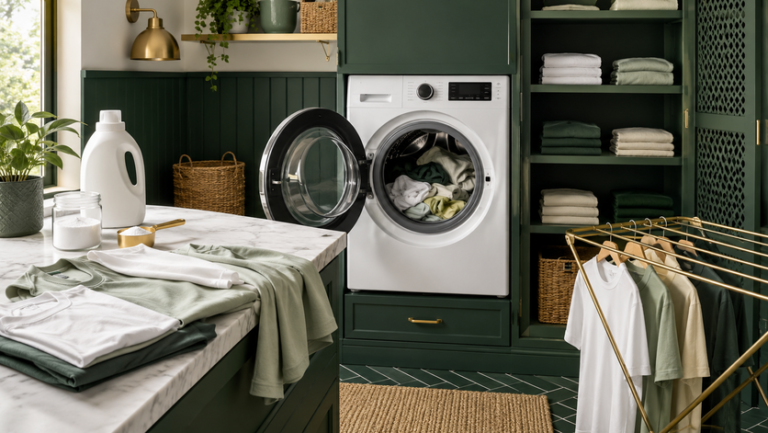
Better Laundry Habits
Six Ways to Reduce Musty or Sweaty Smells
Wash Sweaty Shirts Soon
Do not leave damp work or sports shirts sealed in bags for long periods.
Do Not Overload
Give the clothes enough room for water and detergent to move through the load.
Measure Detergent
Too much can leave residue; too little may not remove enough soil.
Clean the Washer
Maintain the drum, seal, filter and detergent drawer according to the machine instructions.
Use Enough Rinsing
Heavy soil or detergent residue may need a more suitable cycle or additional rinse if the garment allows it.
Dry Completely
Check thick seams, collars and underarms before folding or storing.
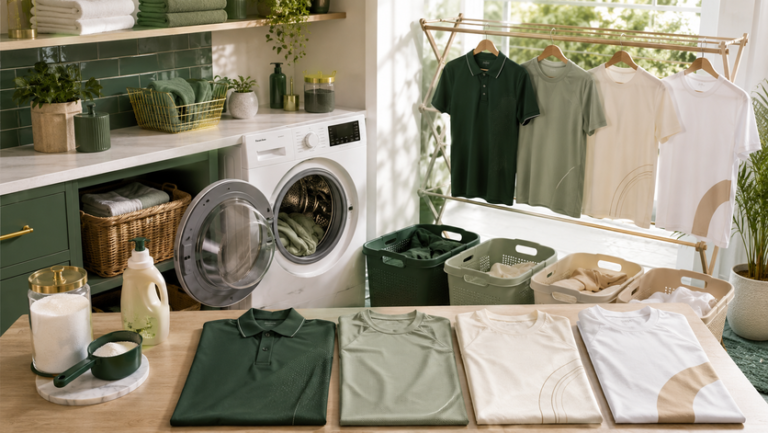
Washing Process
A Simple Routine for Fresher-Smelling Clothes
- Air out damp shirts. If you cannot wash immediately, avoid sealing sweaty garments while wet.
- Check heavily soiled areas. Pre-treat collars, underarms and visible stains when appropriate.
- Load the washer correctly. Leave enough space for the garments to move.
- Use the right amount of detergent. Follow the product and washer guidance.
- Remove clothes promptly. Do not leave a finished wet load sitting in the machine for hours.
- Dry completely. Store only when the fabric, seams, collars and printed areas are fully dry.
Sports Shirts
Wash sweat-heavy polyester promptly and avoid leaving it compressed while damp.
Daily Work Shirts
Pay extra attention to underarms, collars and repeated body-oil buildup.
Rainy-Day Laundry
When outdoor drying is slow, use enough airflow and make sure garments are completely dry before storage.
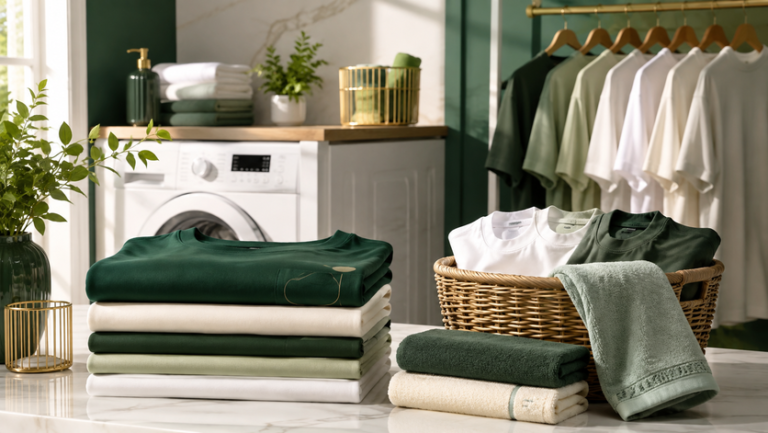
Laundry Checklist
What to Check When Clothes Smell After Washing
- Check whether clothes were left wet in the washer
- Check whether the washer was overloaded
- Measure detergent instead of guessing
- Clean the washing machine regularly
- Pre-treat sweaty underarm and collar areas when needed
- Use a cycle suitable for the fabric and soil level
- Dry shirts completely before folding
- Do not store damp sports or work shirts in sealed bags
Why do clothes smell musty after washing?
A musty smell often comes from clothes staying damp too long, incomplete drying, washer residue or soil that was not fully removed.
Can too much detergent make clothes smell?
Yes. Excess detergent can leave residue in fabric and make rinsing less effective.
Why do sports shirts still smell after washing?
Polyester sportswear can hold onto body oils and odour more stubbornly, especially when shirts are left sweaty or packed damp.
Can a dirty washing machine make clothes smell?
Yes. Residue in the drum, rubber seals, detergent drawer or filter can transfer unwanted odours to a clean load.
Should clothes be rewashed if they smell after drying?
If the smell remains after the garment is fully dry, rewashing with the correct load size, detergent amount and cycle may help.
How can I stop damp clothes smelling in Malaysia's humid weather?
Prioritise airflow, avoid packing clothes together while damp, and make sure thicker areas are fully dry before storage.
Choose Practical Shirts
Need Shirts for Frequent Work or Sports Use?
Send the intended use, fabric preference, branding method and wash frequency. Uniform Johor can help compare shirt options for regular work, sports and event use.
Related Uniform Johor Articles
Regional Network
Our Other Company Websites
JC Print Malaysia
Main company website for uniforms and printing services.
Visit website →SelangorPrint
Uniform and custom printing support for Selangor buyers.
Visit website →Uniform Penang
Uniform and apparel resources for Penang customers.
Visit website →Uniform Sabah
Uniform and custom apparel resources for Sabah buyers.
Visit website →Uniform Singapore
Uniform and apparel printing information for Singapore.
Visit website →Uniform Hub Singapore
Additional uniform resources for Singapore organisations.
Visit website →Tanah Studio
Apparel and creative services for the Australian market.
Visit website →KitaPrint
Printing support for agents and resellers.
Visit website →