
Uniform Brand Johor
How to Prevent Damp Smells in Work Clothes
Stop work clothes from developing that musty, damp smell by changing how they are stored, washed, dried and rotated between shifts.
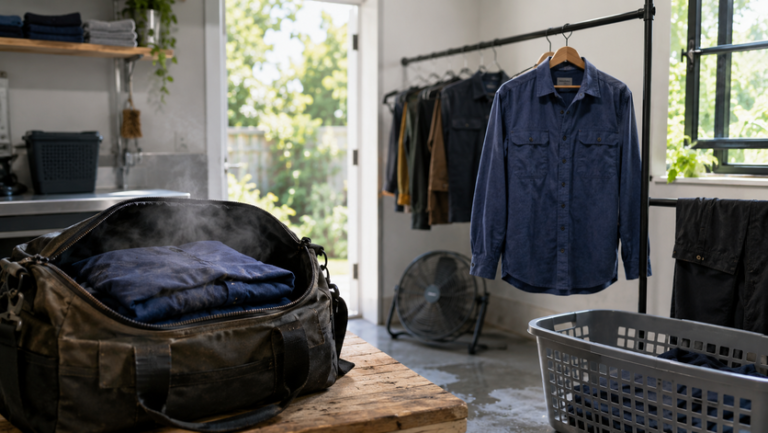
Direct answer: the biggest cause of damp smells is leaving a sweaty or wet shirt without enough airflow. After work, do not leave the shirt rolled up in a bag, locker or laundry basket for long periods. Hang or spread it out so moisture can escape, wash it promptly with a suitable detergent, avoid overloading the washer, rinse thoroughly and dry the garment completely before storing or wearing it again. For staff who sweat heavily, having enough clothes to rotate can make a big difference.
Quick Comparison
What Causes Damp Smells in Work Clothes?
| Common Cause | What Happens | Better Habit |
|---|---|---|
| Wet clothes lesft in a bag | Moisture stays trapped with very little airflow | Remove it and hang it up as soon as possible |
| Overloaded washing machine | Detergent and water may not move through garments evenly | Leave enough room for proper washing and rinsing |
| Too much detergent | Residue can remain in the fabric | Use the correct amount for the load and detergent type |
| clothes stored before fully dry | Residual moisture stays trapped in the fabric | Dry completely before folding or placing in a cupboard |
| Repeated heavy sweating | Odour can build faster between washes | Wash promptly and rotate enough clothes |
| Poor locker ventilation | Humidity remains around used clothing | Use open airflow and avoid sealing damp garments inside |
Airflow First
A sweaty clothes should be opened out instead of being rolled tightly into a bag.
Wash Promptly
Do not leave used work clothes damp for several days before washing if it can be avoided.
Dry Completely
The clothes should feel fully dry before storage, especially around collars, underarms and thicker seams.
Work Shirt Options
Fabric Choice Can Affect How Quickly Shirts Dry
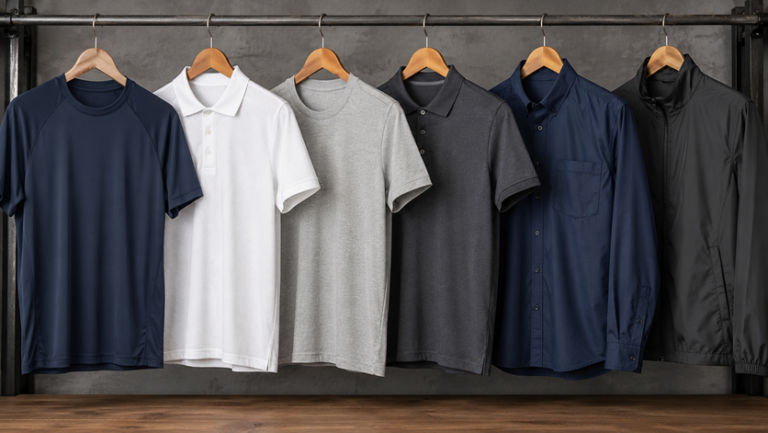
Microfiber Quick-Dry
Low water retention makes it practical for active staff who sweat often during the day.
Eyelet Performance Fabric
The open knit can help airflow and is useful for outdoor or physically active roles.
Cotton T-Shirts
Soft and comfortable, but they absorb more moisture and may stay damp longer after heavy sweating.
Cotton-Polyester Blends
A middle option for teams that want a more cotton-like feel with somewhat easier drying.
Performance Polos
Useful for customer-facing staff who need a collar but still work in warm environments.
Long-Sleeve Work Shirts
Pay extra attention to cuffs, underarms and collars because these areas can stay damp longer.
| Work Environment | Useful Shirt Direction | Why |
|---|---|---|
| Outdoor operations | Microfiber or eyelet quick-dry | Fast drying and lower water retention |
| Warehouse | Light performance tee or polo | Good for movement and regular sweating |
| Office + site visits | Cotton blend or light performance polo | Balances comfort and appearance |
| Air-conditioned office | Light cotton or cotton blend | Less sweat demand |

Printing and Branding
Odour Care Should Also Protect the Decoration
DTF Printing
Wash inside out and avoid excessive heat so the transfer is not stressed while the clothes is being cleaned.
Silkscreen Printing
Gentle washing and complete drying help protect both the fabric and the printed surface.
Embroidery
Check that the backing and thicker stitched areas are fully dry before the clothes is stored.
| Decoration | Odour-Care Consideration | Avoid |
|---|---|---|
| DTF | Inside-out wash and complete drying | Direct high heat on the transfer |
| Silkscreen | Gentle cycle and proper rinsing | Harsh scrubbing |
| Embroidery | Dry thicker stitched areas thoroughly | Folding while still damp |
| Sublimation | Follow polyester care instructions | Excessive heat that may affect the garment |
- Do not try to remove odour by using unnecessarily harsh chemicals.
- Do not leave branded clothes soaking for long periods without checking care instructions.
- Do not store embroidered clothes while thick stitched areas are still damp.
- Do not use very high dryer heat just to finish the clothes faster.

Material, Colour and Design
Moisture Handling Matters More Than Colour Alone
Fibre Type
Cotton absorbs more water, while many performance polyester fabrics hold less water and dry faster.
Knit Structure
Eyelet and other open constructions can allow better air exchange around the body.
Fabric Weight
Heavy fabric can take longer to dry, especially around seams, collars and folded areas.
Garment Fit
A slightly relaxed fit can improve airflow compared with a shirt that stays tight against the skin.
Layering
Multiple heavy layers can trap more heat and sweat during active work.
Drying Routine
Even a quick-dry shirt can smell damp if it is folded or stored before it has actually dried.

Care Process
A Better Routine for Work Shirts
- After the shift, air the shirt out. Do not leave it rolled up in a bag or closed locker.
- Wash it as soon as practical. Sweat and moisture are easier to manage when the shirt is not left damp for days.
- Use the correct amount of detergent. More detergent is not always better and can leave residue.
- Do not overload the washer. Leave enough space for water and detergent to move through the shirts.
- Dry the shirt completely. Check underarms, collar, cuffs, plackets and embroidery areas.
- Rotate several shirts. Give each garment enough time to be properly washed and dried before reuse.
Outdoor Staff
Quick-dry fabric plus regular rotation is a practical combination for heavy sweating.
F&B Teams
Wash promptly because moisture, food odours and heat can build up during long shifts.
Warehouse and Operations
Keep spare shirts available so staff are not forced to re-wear damp garments.

Care Checklist
Before Storing or Rewearing a Work Shirt
- Do not leave sweaty shirts sealed inside bags
- Air used shirts out immediately after work
- Wash damp work shirts promptly
- Use the correct amount of detergent
- Avoid overloading the washing machine
- Rinse thoroughly
- Dry collars, underarms and thick seams completely
- Keep enough shirts for proper rotation
Why do work shirts smell damp even after washing?
Common reasons include detergent residue, an overloaded washer, incomplete drying, or the shirt being left damp for too long before or after washing.
Should I leave a sweaty shirt in my work bag?
No longer than necessary. Remove it and allow air to reach the fabric as soon as practical.
Does quick-dry fabric prevent odour completely?
No. Quick-dry fabric can release moisture faster, but poor storage, incomplete washing or incomplete drying can still lead to unpleasant smells.
Can too much detergent make shirts smell worse?
Yes. Excess detergent may leave residue if it does not rinse out properly, so follow the detergent instructions for the load.
Should I dry work shirts in direct sun?
Good airflow is important, but prolonged harsh sun can fade some colours. Shade or indirect sun is often a useful balance.
How many work shirts should staff have?
There is no universal number. The right rotation depends on shift frequency, laundry routine and how much staff sweat. The key is allowing enough time for washing and complete drying.
Plan Better Daily Uniforms
Need Help Choosing Easier-Drying Work Shirts?
Send the work environment, staff role, preferred shirt style, quantity, size range and branding method. Uniform Johor can help compare practical shirt options for daily use.
Related Uniform Johor Articles
Regional Network
Our Other Company Websites
JC Print Malaysia
Main company website for uniforms and printing services.
Visit website →SelangorPrint
Uniform and custom printing support for Selangor buyers.
Visit website →Uniform Penang
Uniform and apparel resources for Penang customers.
Visit website →Uniform Sabah
Uniform and custom apparel resources for Sabah buyers.
Visit website →Uniform Singapore
Uniform and apparel printing information for Singapore.
Visit website →Uniform Hub Singapore
Additional uniform resources for Singapore organisations.
Visit website →Tanah Studio
Apparel and creative services for the Australian market.
Visit website →KitaPrint
Printing support for agents and resellers.
Visit website →