
Uniform Brand Johor
How Should a Polo Shirt Fit?
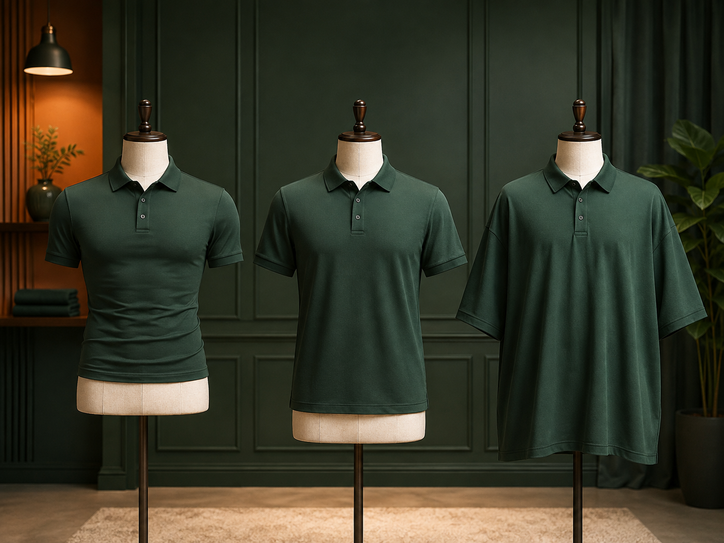
A good polo fit should look neat without feeling tight, while still giving enough room for normal work, movement and sitting.
Direct answer: the shoulder seam should sit close to the edge of your shoulder, the chest should have light ease without pulling across the buttons, the sleeves should sit comfortably around the upper arm, and the hem should usually finish around the mid-hip area. A polo that is too tight shows pulling and stretched button gaps; one that is too loose looks dropped at the shoulders and overly baggy through the body.
Quick Comparison
Too Tight, Good Fit or Too Loose?
| Fit Area | Good Fit | Too Tight | Too Loose |
|---|---|---|---|
| Shoulders | Seam sits near the shoulder edge | Seam pulls inward and feels restrictive | Seam drops noticeably down the upper arm |
| Chest | Light ease with no pulling | Buttons gap or fabric stretches | Large folds and excess fabric |
| Sleeves | Comfortable around upper arm | Binding or pinching | Very wide opening or drooping sleeve |
| Body | Follows shape without clinging | Pulls across stomach or back | Looks boxy and oversized |
| Length | Usually around mid-hip | Rides up easily | Extends too far below the hip |
Polo Fit Types
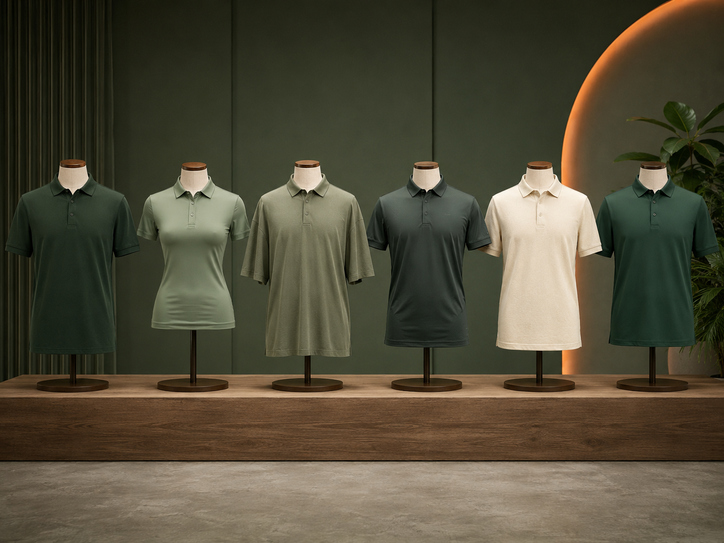
Different Polo Styles Can Fit Differently
Regular Fit
Balanced room through the chest and body for general staff and event use.
Slim Fit
Narrower through the chest and waist, so size selection needs more care.
Relaxed Fit
More room through the body for comfort, movement or a casual appearance.
Performance Polo
Often designed for active use, so mobility around shoulders and arms matters.
Cotton Polo
Can feel softer and more structured, but sizing should account for garment care.
Unisex Polo
Check the actual size chart because the body and shoulder proportions may differ from fitted styles.

Printing and Branding
Fit Affects How Logos and Prints Look
| Branding Method | Fit Consideration | What to Watch For |
|---|---|---|
| Embroidery | Chest area should lie relatively flat | Very tight polos can distort the embroidered logo |
| DTF Printing | Allow enough ease around the print area | Excess stretching can place stress on a large transfer |
| Silkscreen Printing | Choose a size that keeps the print surface smooth | Tight fabric can distort large printed artwork |
| Sublimation | Performance fit should still allow movement | Do not size down so far that the jersey-like fabric pulls excessively |
Fit Checklist
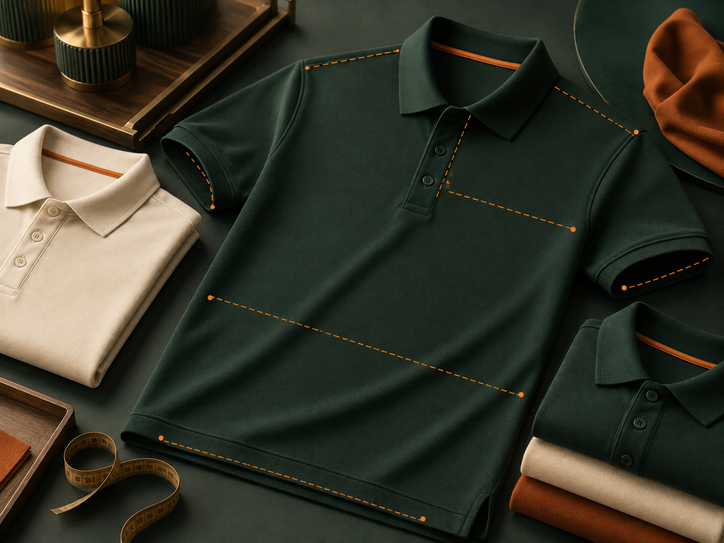
Six Areas to Check Before Choosing a Size
Shoulder Seam
The seam should sit close to where the shoulder naturally ends.
Chest Ease
You should be able to move without the placket pulling or buttons gaping.
Sleeve Opening
It should sit neatly around the upper arm without squeezing or hanging too wide.
Body Width
The shirt should follow the torso without clinging tightly or forming excessive folds.
Shirt Length
For most casual and work polos, the hem should finish around the hip area.
Collar and Placket
The collar should sit flat and the placket should not be forced open by tension.
Sizing Process
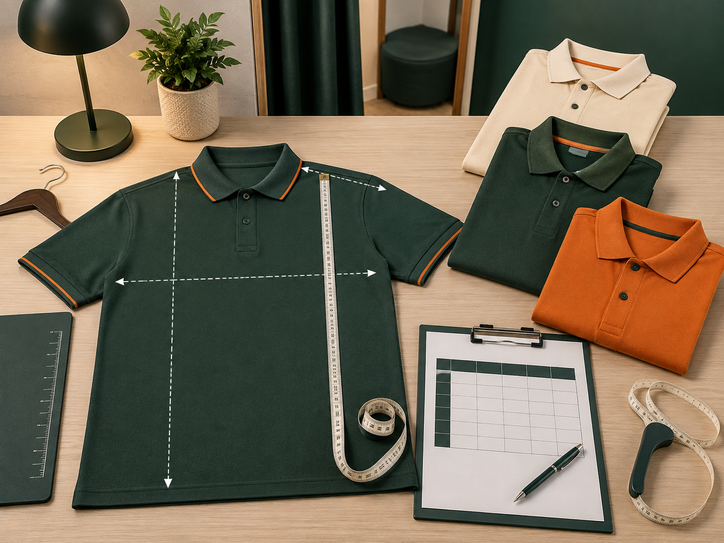
How to Choose the Right Polo Size
- Check the brand's size chart. Do not rely only on your usual size label.
- Measure a polo that already fits. Compare chest, shoulder and length.
- Think about the intended use. Office wear may need a neater fit; active work may need more room.
- Allow for layering. If the polo will be worn over an inner shirt, avoid choosing too tight a size.
- Check movement. Raise your arms, sit and bend to make sure the shirt stays comfortable.
- Confirm before bulk ordering. Use the approved size chart for the whole group.
Corporate Staff
A regular or slightly tailored fit usually gives a cleaner professional appearance.
Outdoor Staff
Prioritise shoulder, arm and torso movement rather than choosing the closest possible fit.
Group Events
A regular unisex fit can simplify sizing, but everyone should still refer to the actual chart.
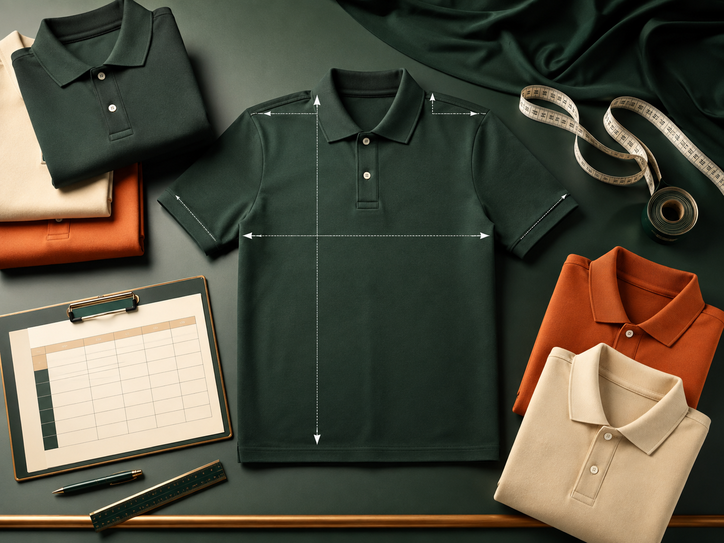
Fit Checklist
A Good Polo Fit Should...
- Have shoulder seams near the natural shoulder edge
- Allow light ease through the chest
- Avoid button gaping or fabric pulling
- Fit comfortably around the upper arms
- Follow the torso without clinging
- Finish around the hip area for most regular styles
- Allow sitting, bending and reaching comfortably
- Match the actual brand size chart before ordering
Should a polo shirt be tight or loose?
Neither. A good polo should have light ease through the chest and body without looking baggy.
Where should polo shirt shoulder seams sit?
They should sit close to the point where your shoulder naturally ends.
How long should a polo shirt be?
Most regular polos finish around the mid-hip area, though the intended style and whether it is tucked in can change the ideal length.
How should polo sleeves fit?
The sleeve should sit comfortably around the upper arm without squeezing or hanging excessively wide.
Should I size up for a work polo?
Only if the size chart or intended movement requires it. Compare measurements instead of automatically sizing up.
Are polo shirt sizes the same across brands?
No. Measurements can vary by brand and fit type, so always check the specific size chart.
Choose the Right Polo
Need Polo Shirts for Staff or Events?
Send the intended use, preferred fit, fabric, branding method and required size range. Uniform Johor can help compare practical polo options for your group.
Related Uniform Johor Articles
Regional Network
Our Other Company Websites
JC Print Malaysia
Main company website for uniforms and printing services.
Visit website →SelangorPrint
Uniform and custom printing support for Selangor buyers.
Visit website →Uniform Penang
Uniform and apparel resources for Penang customers.
Visit website →Uniform Sabah
Uniform and custom apparel resources for Sabah buyers.
Visit website →Uniform Singapore
Uniform and apparel printing information for Singapore.
Visit website →Uniform Hub Singapore
Additional uniform resources for Singapore organisations.
Visit website →Tanah Studio
Apparel and creative services for the Australian market.
Visit website →KitaPrint
Printing support for agents and resellers.
Visit website →